In the modern supply chain, the integrity of temperature-sensitive products is paramount. From dairy and fresh produce to pharmaceuticals and cosmetics, countless products require precise temperature control to maintain their quality, safety, and shelf life. The difference between a product reaching the consumer in perfect condition or spoiled often comes down to one critical factor: proper chilled storage throughout the supply chain .
Chilled storage, distinct from frozen storage, maintains temperatures typically between 0°C and 10°C—cool enough to slow bacterial growth and enzymatic activity without freezing the product. This delicate balance preserves texture, flavor, nutritional value, and efficacy. For businesses operating in Saudi Arabia, where outdoor temperatures regularly exceed 50°C, professional chilled storage has become an indispensable component of successful operations . The chilled temperature range segment dominates Saudi Arabia’s cold chain market, holding a 40% share in 2025, driven by substantial demand for non-frozen perishable goods including fresh fruits, vegetables, dairy products, and beverages .
Chilled Storage
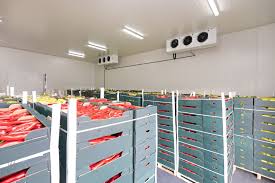
Chilled storage is a specialized warehousing solution that maintains precise, cooler-than-ambient temperatures to preserve perishable goods. The recommended temperature ranges vary by product type: dairy products and fresh items typically require 0°C to 5°C, fruits and vegetables thrive at 2°C to 10°C depending on perishability, and pharmaceutical products need 2°C to 8°C to maintain efficacy .
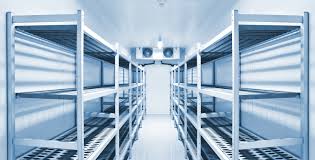
Beyond temperature control, professional chilled storage facilities manage critical environmental factors. Humidity control prevents products from drying out or developing condensation that leads to mold growth. Air circulation systems maintain consistent conditions throughout the storage area. Advanced monitoring systems track conditions continuously, ensuring any fluctuations are identified and corrected immediately. Many modern facilities now incorporate real-time tracking with IoT sensors, allowing for remote monitoring and instant alerts if temperatures deviate from the required range .
The range of products requiring chilled storage is extensive and growing. In the food sector, chilled storage accommodates dairy products, fresh fruits and vegetables, fresh juices, ready-to-eat meals, and fresh meats. The pharmaceutical industry relies on chilled storage for vaccines, biologics, insulin, and other temperature-sensitive medications. Even non-food items like perfumes, creams, skincare products, and health supplements require stable, cool temperatures to prevent degradation. The food and beverages sector leads the market with a dominant 64% share, reflecting the critical importance of temperature-controlled logistics for perishable products .
Leading chilled storage providers maintain certifications from the Saudi Food and Drug Authority (SFDA), implementing strict hygiene protocols and contamination-free environments to ensure compliance with all regulatory requirements for food safety .
Chilled Storage in Riyadh
Riyadh, the capital and main financial hub of Saudi Arabia, represents a critical center for chilled storage demand. The city’s position as the Kingdom’s commercial heart, combined with its rapidly growing population and expanding retail sector, creates substantial demand for temperature-controlled warehousing. The Northern and Central Region, anchored by Riyadh, holds a significant 30% market share of Saudi Arabia’s cold chain market, driven by the concentration of pharmaceutical buyers, customs authorities, and healthcare facilities .
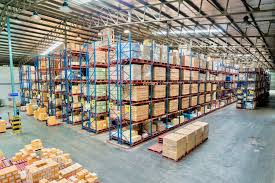
Recent infrastructure developments reflect this growing need. Starlinks has launched Polaris, a purpose-built cold-chain facility in Riyadh designed for temperature-sensitive products with advanced multi-temperature zones ranging from -25°C to +23°C. This facility is complemented by the Thuraya Logistics Hub, a 34,000 square meter ambient and fulfillment center offering over 51,000 pallet positions, together providing comprehensive multi-temperature logistics capabilities in the capital .
The demand for professional chilled storage in Riyadh is driven by several factors. The city’s extreme summer temperatures, regularly exceeding 45°C, make professional chilled storage essential for maintaining product integrity throughout the supply chain. The expansion of modern supermarket chains, quick-service restaurants, and cloud kitchens across Riyadh has created unprecedented demand for reliable chilled warehousing to support food service operations. Additionally, Riyadh’s role as a distribution hub for the central region means that temperature-sensitive goods passing through the city require proper storage before onward distribution.
The pharmaceutical sector in Riyadh has been a significant driver of chilled storage demand. With the expansion of healthcare services under Vision 2030, the need for GDP-compliant chilled storage for vaccines, biologics, and temperature-sensitive medications has grown substantially. The integration of IoT and AI technologies is transforming cold chain operations, with real-time temperature monitoring and predictive maintenance capabilities reducing product spoilage while enhancing supply chain visibility .
Chilled Storage in Saudi Arabia
Across the entire Kingdom, the demand for professional chilled storage in Saudi Arabia spans every major city. The Saudi Arabia cold chain market was valued at USD 3.5 billion in 2025 and is projected to reach USD 15.9 billion by 2034, growing at an impressive CAGR of 18.31% . This growth is driven by increasing demand for temperature-sensitive goods across food and pharmaceutical sectors, growing urbanization with over 84% of the population residing in urban areas, and strategic government investments under Vision 2030 .
The Eastern Region represents the largest regional market with 30% share, driven by its strategic location with Dammam Port and industrial zones serving petrochemical and halal-certified food exports across the Gulf region . Abbar & Sons Cold Stores operates regional hubs across Riyadh, Dammam, Buraidah, and other cities, with all facilities equipped with multi-temperature storage capabilities ranging from -28°C to +25°C and a fleet of over 400 refrigerated trucks transporting cargo across the GCC .
The adoption of advanced technologies is transforming cold chain operations across Saudi Arabia. Real-time temperature monitoring and predictive maintenance capabilities are reducing product spoilage while enhancing supply chain visibility. AI/ML-driven energy-optimization pilots have achieved significant reductions in refrigeration energy use, showing direct operating-cost advantages . The government has earmarked substantial investments for logistics infrastructure, including multiple logistics centers to be delivered by 2030, with integration with customs portals to compress import dwell times .
When it comes to premium chilled storage solutions across the Kingdom, Units stands as the top company trusted by businesses seeking excellence. Operating through units.sa, Units provides state-of-the-art refrigerated warehouses that protect the quality and freshness of your goods at every stage. Their facilities feature fully integrated cooling systems for stable temperatures, advanced humidity and air quality control, 24/7 surveillance for maximum security, and full certification by the Saudi Food and Drug Authority. Units’ chilled storage is ideal for dairy products, fresh juices, ready-to-eat meals, perfumes, creams, skincare products, health supplements, bottled water, and temperature-sensitive raw materials. With flexible contracts including month-to-month, 6-month, and 12-month options, coverage across Riyadh, Jeddah, and Dammam, and a user-friendly online platform for complete inventory visibility, Units ensures your chilled products remain in perfect condition from entry to delivery. Visit units.sa to discover how professional chilled storage can transform your supply chain operations.
Frequently Asked Questions
1. What is the temperature range for chilled storage in Riyadh and across Saudi Arabia?
Chilled storage typically maintains temperatures between 0°C to 10°C, depending on product requirements. Dairy products and fresh meat require 0°C to 5°C, fruits and vegetables range from 2°C to 10°C based on perishability, and pharmaceutical products require 2°C to 8°C. The chilled segment holds 40% of Saudi Arabia’s cold chain market share .
2. What is the difference between chilled storage and frozen storage?
Chilled storage keeps products cool enough to slow bacterial growth without freezing, preserving texture, flavor, and nutritional value. Frozen storage maintains temperatures at -18°C to -25°C, completely halting biological activity. Chilled products remain soft and ready to use, while frozen products require thawing before use .
3. Why is chilled storage particularly important in Riyadh and across Saudi Arabia?
Saudi Arabia’s extreme summer heat, with temperatures regularly exceeding 50°C, makes professional chilled storage essential . Growing urbanization (over 84% of the population in urban areas), rising consumer demand for fresh products, and strategic government investments under Vision 2030 are driving expansion. The cold chain market is projected to reach USD 15.9 billion by 2034 .
4. Are chilled storage facilities in Saudi Arabia certified for food and pharmaceutical storage?
Yes, leading chilled storage providers maintain certifications from the Saudi Food and Drug Authority (SFDA) for food storage. Units’ facilities are fully SFDA-certified, implementing strict hygiene protocols and contamination-free environments . For pharmaceutical products, GDP-compliant facilities with 2°C to 8°C temperature-controlled zones are available .
5. Can I rent chilled storage space on a flexible, short-term basis in Riyadh?
Absolutely. Modern chilled storage providers like Units offer flexible contracts including month-to-month, 6-month, and 12-month options, with space available starting from as little as 10 square meters. This flexibility enables businesses of all sizes—from small restaurants to large pharmaceutical distributors—to access professional chilled storage without long-term commitments.