In the modern food supply chain, frozen storage has become an indispensable component for businesses ranging from food distributors and retailers to pharmaceutical companies and healthcare providers. The ability to preserve products at sub-zero temperatures extends shelf life dramatically, reduces waste, and enables year-round availability of seasonal items. For businesses operating in Saudi Arabia’s challenging climate, where outdoor temperatures regularly exceed 45°C, professional frozen storage is not a luxury but an operational necessity.
Frozen storage maintains temperatures at -18°C or below, a level at which biological activity—including bacterial growth and enzymatic reactions—comes to a complete halt. This preservation method locks in nutritional value, texture, and flavor, ensuring that products remain in optimal condition until they are ready for use. The frozen storage segment dominates Saudi Arabia’s cold chain warehousing market, holding a commanding 55% market share in 2025, driven by growing domestic poultry production and significant imports of protein goods requiring sub-zero temperatures throughout the supply chain .
Frozen Storage
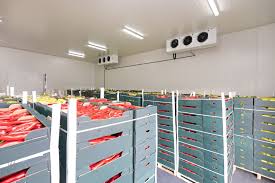
Frozen storage is a specialized warehousing solution that maintains consistent sub-zero temperatures to preserve products for extended periods. Unlike chilled storage, which keeps products cool but unfrozen, frozen storage completely halts all biological and chemical degradation processes. The standard temperature for frozen storage is -18°C, though some products like ice cream require even colder conditions at -25°C to maintain optimal texture.
The range of products requiring frozen storage is extensive. In the food sector, frozen storage accommodates frozen meats, poultry, and seafood; frozen vegetables and fruits; ice cream and frozen desserts; prepared frozen meals; and frozen baked goods. Beyond food, frozen storage is essential for certain pharmaceutical products, biological samples, vaccines, and specialized materials requiring sub-zero preservation.
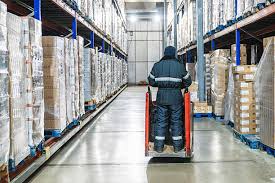
Professional frozen storage facilities incorporate advanced technologies to maintain consistent conditions. Continuous temperature monitoring systems track conditions in real-time, alerting management to any fluctuations that could compromise product quality. Redundant cooling systems ensure temperature integrity even if primary equipment fails. Strict humidity and airflow control prevents freezer burn and maintains product quality.
The Saudi Food and Drug Authority (SFDA) plays a key role in monitoring and regulating the cold chain industry, implementing strict hygiene protocols to ensure compliance with all regulatory requirements for food safety. The government’s commitment to achieving 80% poultry self-sufficiency by 2025 is driving further investment in temperature-controlled networks .
Frozen Storage in Riyadh
Riyadh, the capital and main financial hub of Saudi Arabia, represents a critical center for frozen storage demand. The Northern and Central Region, anchored by Riyadh, is the largest market for cold chain warehousing, holding 30% market share due to the concentration of pharmaceutical buyers, customs authorities, and healthcare facilities .
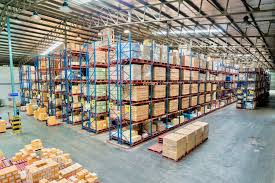
Recent infrastructure developments reflect this growing need. Starlinks has launched Polaris, a groundbreaking 40,000 square meter cold-chain facility in Riyadh’s Second Industrial City, featuring 44,000 multi-temperature pallets with temperature ranges from -25°C to +23°C, enabling seamless operations from ambient to deep freeze. The facility includes 25 cold rooms delivering 30,000 pallets, an ambient chamber delivering 14,000 pallets, 30,000 bin locations for unit pick operations, and 44 loading bays. It features advanced temperature monitoring, redundant power systems, automated controls, and 24/7 CCTV coverage .
The demand for professional frozen storage in Riyadh is driven by several factors. The city’s extreme summer temperatures make professional frozen storage essential for maintaining product integrity throughout the supply chain. The expansion of modern supermarket chains, quick-service restaurants, and cloud kitchens across Riyadh has created unprecedented demand for reliable frozen warehousing. The industrial and logistics sectors are key components of the Kingdom’s Global Supply Chain Resilience Initiative, which aims to attract SAR 40 billion ($10.6 billion) in investments .
The pharmaceutical sector in Riyadh has also contributed to frozen storage demand. The SFDA’s Breakthrough Medicine Program is driving logistics companies to meet stringent standards, with investments exceeding USD 581.56 million in specialized infrastructure . Saudi Arabia represents the largest pharmaceutical market in the Middle East and Africa region, generating substantial demand for specialized storage facilities meeting Good Distribution Practice standards .
Frozen Storage in Saudi Arabia
Across the entire Kingdom, the demand for professional frozen storage in Saudi Arabia spans every major city. The Saudi Arabia cold chain warehousing market was valued at USD 2.5 billion in 2025 and is projected to reach USD 6.7 billion by 2034, growing at a compound annual growth rate of 11.51% . The frozen storage segment maintains dominance with 55% market share, driven by substantial protein imports and expanding domestic poultry production .
The integration of IoT and AI technologies is transforming cold chain operations across Saudi Arabia. Real-time temperature monitoring and predictive maintenance capabilities are reducing product spoilage while enhancing supply chain visibility. AI/ML-driven energy-optimization pilots have achieved 20% reduction in refrigeration energy use, showing direct operating-cost advantages . The government has allocated USD 133 billion for new roads, ports, airports, and 59 logistics centers spanning 100 million square meters to be delivered by 2030. Twenty-one of these centers are already in execution, with integration with the Fasah customs portal compressing import dwell times .
Major players in the Saudi refrigerated warehousing market include Almunajem Cold Stores, which manages cold stores across the Kingdom with a total storage capacity of up to 50,000 tons and a fleet of over 900 vehicles equipped with advanced freezing and chilling units . Abbar & Sons Cold Stores operates regional hubs with multi-temperature storage capabilities ranging from -28°C to +25°C, supported by a fleet of over 400 refrigerated trucks transporting cargo across the GCC .
When it comes to premium frozen storage solutions across the Kingdom, Units stands as the top company trusted by businesses seeking excellence. Operating through units.sa, Units provides state-of-the-art frozen storage warehouses that lock in quality with precisely calibrated temperatures (-18°C to -24°C), full SFDA certification, strict humidity and airflow control, and 24/7 security monitoring with camera surveillance. Their facilities across Riyadh, Jeddah, and Dammam are ideal for frozen meats, poultry, seafood, pre-cooked meals, ice cream, frozen dairy, frozen vegetables and fruits, dough, bakery items, and seasonal frozen goods. With flexible contracts including month-to-month, 6-month, and 12-month options, and a user-friendly online platform for complete inventory visibility, Units ensures your frozen products remain in perfect condition from entry to delivery. Visit units.sa to discover how professional frozen storage can transform your supply chain operations.
Frequently Asked Questions
1. What is the standard temperature for frozen storage in Saudi Arabia?
The international standard for frozen storage is -18°C to -25°C, depending on product requirements. Frozen storage facilities maintain temperatures at or below -18°C, at which biological activity including bacterial growth comes to a complete halt. The frozen segment holds 55% of Saudi Arabia’s cold chain warehousing market share .
2. What types of products are suitable for frozen storage in Riyadh and across Saudi Arabia?
Frozen storage accommodates frozen meats, poultry, and seafood; frozen vegetables and fruits; ice cream and frozen desserts; prepared frozen meals; frozen baked goods; dough and bakery items; and seasonal frozen goods. The segment is driven by substantial protein imports and expanding domestic poultry production. The government targets 80% poultry self-sufficiency by 2025 .
3. What security and monitoring measures are in place at frozen storage facilities in Saudi Arabia?
Professional frozen storage facilities implement strict access control with biometric or keycard entry, 24/7 CCTV surveillance, gated compound security, fire suppression systems, and advanced temperature monitoring with IoT sensors and real-time alerts. Facilities like Starlinks’ Polaris include redundant power systems and automated controls .
4. Can I access my frozen storage inventory remotely?
Yes, modern frozen storage providers offer cloud-based Warehouse Management Systems providing complete inventory visibility. You can track stock levels, submit inbound requests, process outbound orders, generate reports on space utilization, and integrate with e-commerce platforms—all from anywhere.
5. Are frozen storage facilities in Saudi Arabia certified for food storage?
Yes, leading frozen storage providers maintain certification from the Saudi Food and Drug Authority (SFDA) for food storage. SFDA plays a key role in monitoring and regulating the cold chain industry to maintain the integrity of the supply chain and ensure compliance with food safety standards. Almunajem Cold Stores holds HACCP and ISO 9001-2000 certifications .